


無人潛水艇的設計與仿真 
Simscape Multibody 負責實現(xiàn)剛體動力學,考慮重力影響。Simscape Multibody 同時也有坐標軸轉換模塊,自動、實時、準確地完成體坐標系和地固坐標系的轉換。其他所有效應都需要作為外力和力矩由用戶自定義的方程式來施加。 阻力和升力 是由于流體在潛水艇表面周圍流動而產(chǎn)生的壓力和摩擦力的結果。 升力垂直于流動方向,阻力平行且與流動方向相反。
3906 4 2
海工 ??? 4年前
多體動力學歷史的重要一頁 
N., 2013, Matrix Method in the Design Analysis of Mechanisms and Multibody Systems, Cambridge University Press, New York, NY. [3] Sheth, P. N., and Uicker, J.
2813 24 21
peaky ??? 3年前
ADAMS的發(fā)展史
我一直是IMechE Journal of Multibody Dynamics的副主編,直到2007年Shabana接替。在密歇根教學期間,我對平行運動機構產(chǎn)生了興趣,比如昆蟲,這個結構太贊了。他們被用作飛行員培訓、精確醫(yī)療設備、精確機構等。
3042 23 13
peaky ??? 3年前
ALTAIR CFD多物理場耦合分析解決方案 

課程內(nèi)容包括:Fluid Structure Interaction(FSI) 流固耦合Thermal FSI 熱固耦合CFD-DEM Coupling 流體與離散元耦合CFD-Multibody Coupling 流體與多體動力學耦合Electric-Thermal Coupling 電熱耦合Altair 官方微信平臺最新、最及時的活動和培訓訊息;全原創(chuàng)干貨技術專題
931
ALTAIR ??? 3年前
有限元-離散元耦合代碼MELODY計算案例 
這個教程介紹了離散元-有限元耦合的多體無網(wǎng)格方法(Multibody ELement-free Open code for DYnamic simulation, MELODY)的基本操作和原理。
多體無網(wǎng)格方法相較于PFC、3DEC等通用離散元軟件,具有可模擬任意形狀顆粒,考慮有限大變形的優(yōu)勢。
3374 14
幸福的胡桃 ??? 2年前
【超詳細】Simpack與Isight聯(lián)合仿真 ——以車輛懸掛優(yōu)化為例 
它以多體系統(tǒng)計算動力學(Computational Dynamics of Multibody Systems)為基礎,包含多個專業(yè)模塊和專業(yè)領域的虛擬樣機開發(fā)系統(tǒng)軟件。SIMPACK軟件的主要應用領域包括:汽車工業(yè)、鐵路、航空/航天、國防工業(yè)、船舶、通用機械、發(fā)動機、生物運動與仿生等。
4644 3 6
Qiudouyu ??? 3年前
多體動力學仿真利器—UltraLAB最快圖形工作站硬件配置推薦 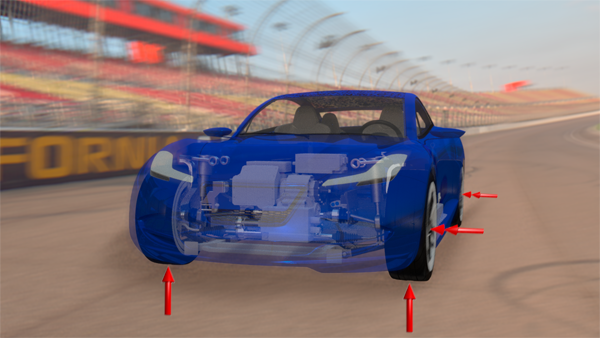
§ Ansys Multibody Dynamics:用于多體動力學仿真,主要用于機械產(chǎn)品、航空航天產(chǎn)品、汽車產(chǎn)品等的設計和分析?!?SimMechanics:用于多體動力學仿真,主要用于機械產(chǎn)品的設計和分析。§ COMSOL Multiphysics:用于多物理場仿真,包括多體動力學仿真、流體仿真、熱仿真等。
2532
UltraLAB ??? 2年前
揭開多體動力學仿真的五大誤區(qū)(下篇) 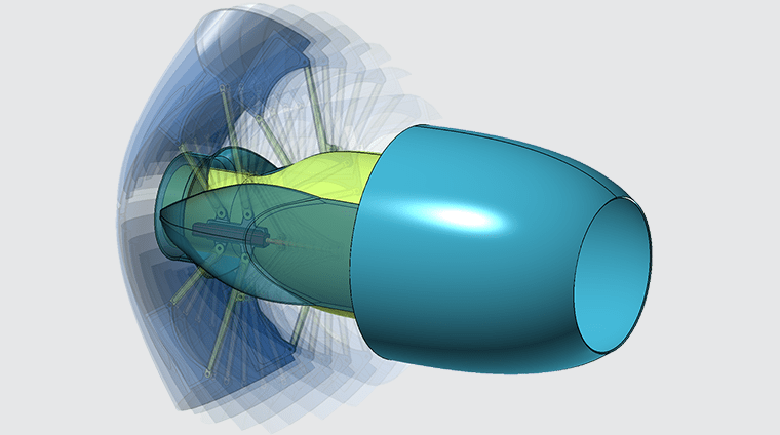
注:本文譯自Adams市場經(jīng)理Hemanth Kolera-Gokula所寫《Debunking the Five Myths of Multibody Dynamics Simulation》續(xù)前節(jié):揭開多體動力學仿真的五大誤區(qū)(上篇) 誤區(qū)四 使用MBD模擬需要專業(yè)知識
2352 4 1
CAE仿真學習菌 ??? 2年前
【專題課程】ANSA KINETICS多體動力學分析專題(完結) 
本專題課程基于ANSA軟件在講解ANSA的多體系統(tǒng)(Multibody system)其中包含運動學-kinematics和動力學-kinetics)。通過幾個工程項目案例實戰(zhàn)step by step一步步給大家展示ANSA多體的仿真及應用,ANSA通過內(nèi)置求解器對多體動力學模擬做出精確的模擬。
1057 10
Wonderful仿真 ??? 5年前
揭開多體動力學仿真的五大誤區(qū)(上篇)
注:本文譯自Adams市場經(jīng)理Hemanth Kolera-Gokula所寫《Debunking the Five Myths of Multibody Dynamics Simulation》基于物理的仿真已經(jīng)成為工程產(chǎn)品開發(fā)過程的一個組成部分,仿真已跨越物理類型和行業(yè)。
2557 2 1
CAE仿真學習菌 ??? 2年前
汽車NVH及安全控制國家重點實驗室的計算利器---高速計算設備硬件配置推薦 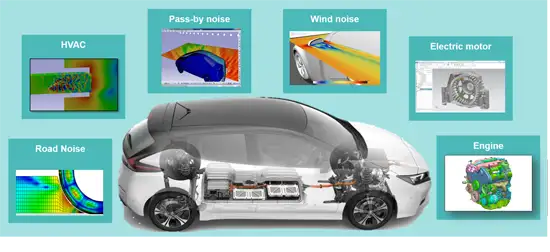
Adams/Car計算特點Adams/Car是一種用于汽車動力學仿真和分析的軟件,它基于多體動力學(Multibody Dynamics)算法進行車輛運動和懸掛系統(tǒng)的建模和仿真。以下是關于Adams/Car的一般計算特點和要求,具體要求可能會因軟件版本和使用環(huán)境而有所不同:1) 計算方式:Adams/Car通常使用基于CPU的多核計算,可以利用多個CPU核心進行并行計算。
2344 1
UltraLAB ??? 2年前
汽車前沿技術 | NVH前沿工程技術 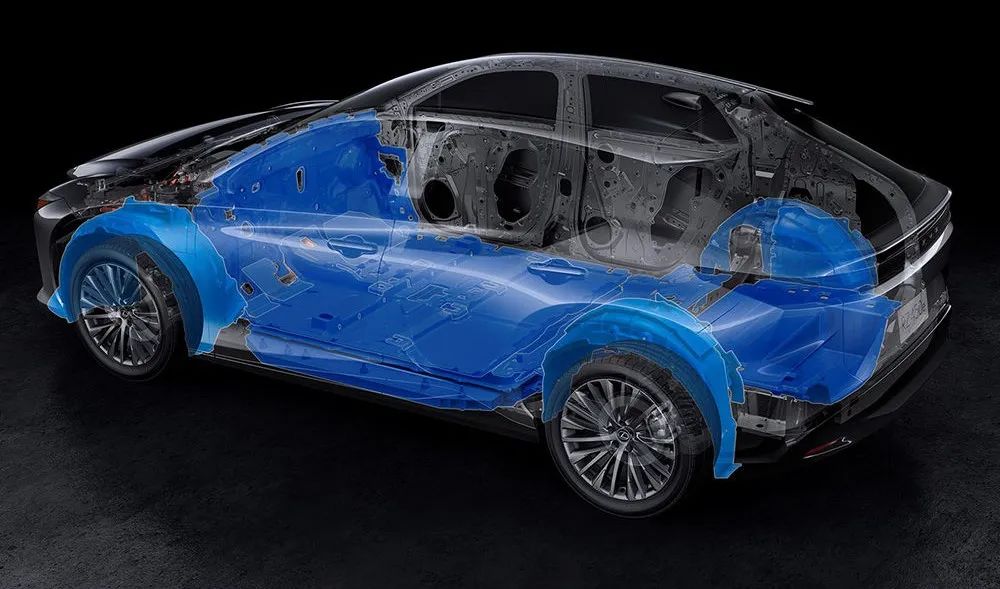
“We use a combination of what we call ‘multibody systems simulation’ [a dynamic system-level analysis of how interconnected multiple moving parts interact with each other] and finite-element analysis,
3850 3
聲學工程師小吳 ??? 2年前
研究推薦 | 軸向柱塞泵殼體降噪?yún)^(qū)域識別 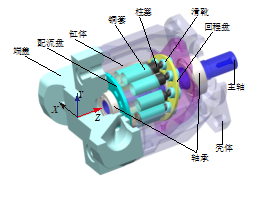
In order to identify the noise-reduction region of pump shell, firstly, the hydraulic-multibody dynamic coupled model is established to obtain structural noise excitation force.
2597
聲學工程師小吳 ??? 2年前
使用 COMSOL 模擬聲-結構的相互作用 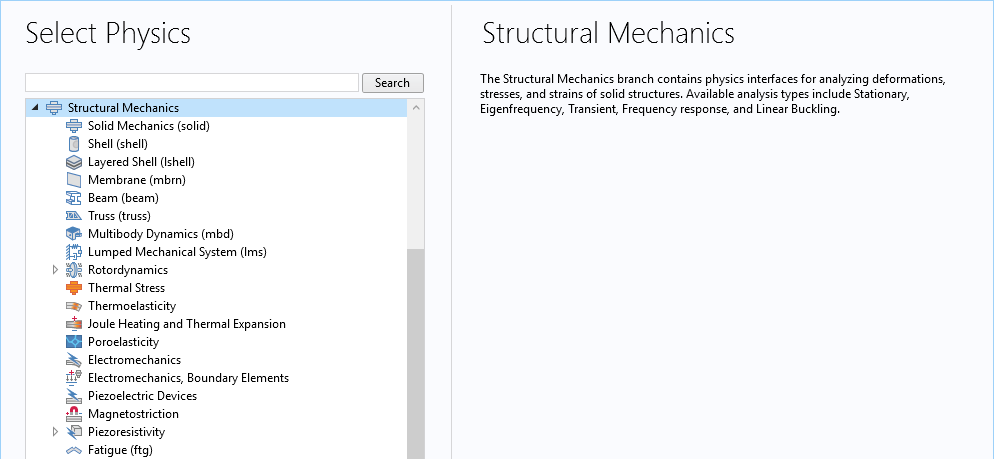
熱黏性聲學-結構邊界和氣動聲學-結構邊界耦合用于將熱黏性聲學模型或氣動聲學模型(它僅適用于線性化的 Navier-Stokes 接口)耦合到固體力學,殼,膜的結構模型和 Multibody Dynamics 接口。對于這兩種耦合,都規(guī)定了速度場和表面應力的連續(xù)性,因為熱黏性聲學和線性化的 Navier-Stokes 模型都解決了邊界層中的聲學問題。
4028 3 1
仿真客 ??? 2年前
20條/頁 
跳至頁


技術鄰APP
工程師必備
工程師必備
- 項目客服
- 培訓客服
- 平臺客服
TOP
